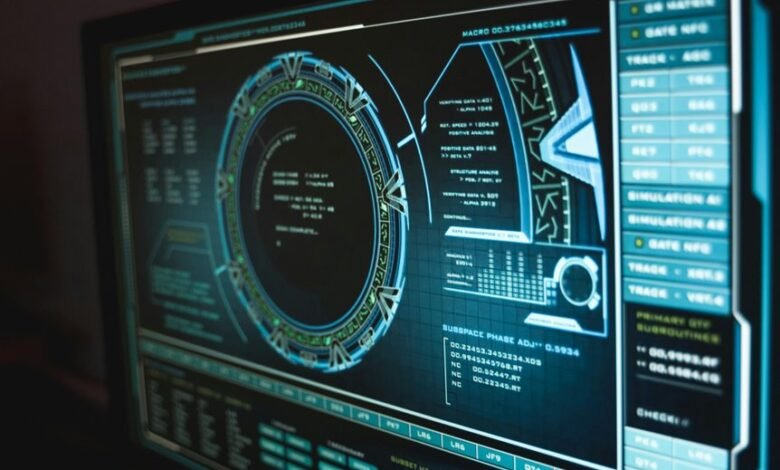
Digital Systems 8014339733 Designs represent a significant advancement in the integration of processors, memory units, and I/O interfaces. These designs prioritize efficiency and minimal resource consumption while maintaining structural integrity. Their adaptability enhances user control and responsiveness across various applications. However, the implications of these designs within sectors such as smart cities and healthcare remain to be explored further. What specific innovations are driving this evolution in technology?
Overview of Digital Systems 8014339733
Digital systems serve as the backbone of modern technology, facilitating the processing and transmission of information through binary signals.
Effective digital design focuses on creating efficient structures that enhance performance.
System optimization further refines these designs, ensuring maximum responsiveness and minimal resource consumption.
This interplay between digital design and optimization underpins the functionality and accessibility of technology, empowering users with greater control over their digital environments.
Architectural Components and Design Features
The architecture of digital systems comprises various components that work collaboratively to achieve desired functionalities.
Emphasizing architectural aesthetics alongside structural integrity, these components include processors, memory units, and input/output interfaces.
Each element is designed to optimize both form and function, ensuring that the system not only performs efficiently but also maintains a visually coherent and robust structure that supports longevity and adaptability in diverse applications.
Functionality and Performance Metrics
Evaluating functionality and performance metrics is crucial for assessing the effectiveness of digital systems. This process involves functionality evaluation to ensure systems meet design specifications and user requirements.
Performance optimization techniques are employed to enhance efficiency, speed, and resource utilization. By systematically analyzing these metrics, designers can identify areas for improvement, ultimately leading to more robust and responsive digital systems that align with user expectations.
Real-World Applications and Case Studies
Real-world applications of digital systems demonstrate the practical implications of functionality and performance metrics in various industries.
In smart cities, digital systems optimize resource management and enhance urban living.
Meanwhile, healthcare innovations leverage these systems for improved patient monitoring and data analysis, ultimately driving better outcomes.
These applications underscore the transformative potential of digital technologies in addressing contemporary challenges and enhancing operational efficiency.
Conclusion
In conclusion, Digital Systems 8014339733 designs exemplify the intersection of advanced architecture and practical application. By scrutinizing their structural components and performance metrics, one can support the theory that such systems not only enhance operational efficiency but also set a benchmark for future technological advancements. As these systems continue to evolve, their adaptability will likely drive innovations across diverse sectors, proving that meticulous design is crucial for optimizing functionality and user engagement in an increasingly digital world.