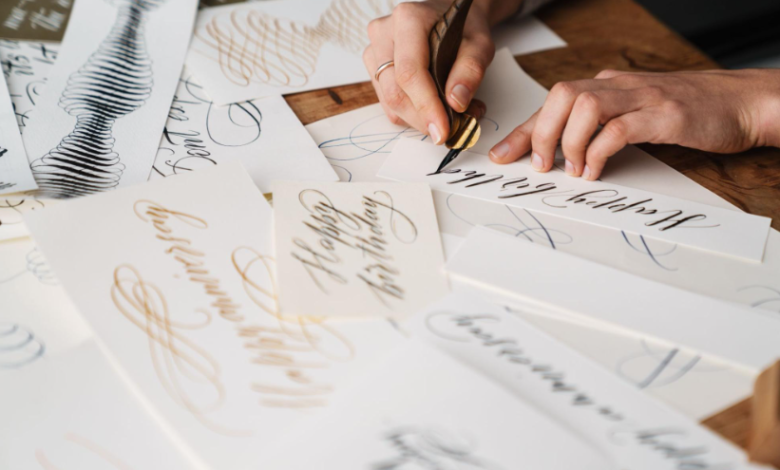
Fonts are more than letters. They show a mood and a feeling. They also show a brand’s style. Different font styles can make a design feel calm, bold, or playful. TypeType helps brands pick the right font style for their message.
Choosing the right font style is very important. The wrong font can confuse people. A good font style makes reading easy. It also helps the design look clean and strong. Fonts can change how people feel about a brand.
Why Font Styles Matter
Font styles set the tone of a design. They help people understand the message quickly. Some styles feel classic and formal. Others feel modern and simple. TypeType uses font styles to match the brand’s identity.
Fonts also affect readability. A clear font style makes reading smooth. This helps users stay on a page longer. It also builds trust. When the text is easy to read, people feel comfortable.
Common Font Styles Used in Design
There are many font styles used in design. Some are simple and clean. Some are bold and decorative. TypeType often uses a mix of styles to create balance.
Serif Fonts (Classic Style)
Serif fonts have small lines at the ends of letters. They feel classic and traditional. Many books and magazines use this style. TypeType uses them for elegant and formal designs.
This style is good for long reading. The small lines guide the eye. This makes the text feel smooth. It helps people read more without feeling tired.
Sans Serif Fonts (Modern Style)
Sans serif fonts are clean and simple. They do not have extra lines. They feel modern and fresh. Many websites and apps use this style. TypeType uses them for clear digital design.
This style is very popular today. It works well on screens. It also looks good in print. Clean fonts help users focus on the message.
Slab Serif Fonts (Strong Style)
Slab serif fonts have thick ends on letters. They feel bold and strong. This style is good for headlines and titles. TypeType uses them for powerful branding.
These fonts stand out easily. They grab attention quickly. They also look very professional. Brands that want a strong image often use slab serif.
Display Fonts (Decorative Style)
Display fonts are made to grab attention. They are bold and unique. They work well for headings and posters. TypeType uses them for creative and fun designs.
This style is best for short text. It is not good for long paragraphs. Display fonts add personality and charm. They make designs look unique.
How to Choose the Right Font Style
Choosing a font style needs care. Designers should think about the audience. They should also think about the brand message. TypeType studies the brand before choosing a font style.
A good font style matches the brand personality. It also stays clear and readable. Fonts should look good on both screen and print. Testing fonts in real use is important.
Style and Brand Identity
Fonts help build brand identity. Using the same style everywhere creates trust. TypeType helps brands keep font style consistent.
Consistency helps people remember the brand. It also makes the brand look professional. When fonts match the brand, the design feels strong and stable.
See also: The Growing Role of Medical Laboratory Technologists
Style and Color
Fonts also work with colors. The right color can improve font style. Bright colors with clean fonts look modern. Soft colors with serif fonts look classic. TypeType helps brands choose the best color and font mix.
Style and Layout
These style should match the layout. Clean fonts work well with simple designs. Decorative fonts work well with creative layouts. TypeType balances font style with layout.
Good spacing and alignment improve the design. This style should not feel crowded. A clean layout helps the font look better.
Style and Emotions
Fonts can make people feel different emotions. Some fonts feel calm. Some fonts feel strong. Some fonts feel fun. TypeType chooses fonts that match the right emotion.
For example, a soft font feels friendly. A bold font feels powerful. A playful font feels happy. The right font helps the message connect with people.
Style for Different Places
Different places need different font styles. A website needs clean fonts. A book needs classic fonts. A poster needs bold fonts. TypeType chooses the right style for each place.
A brand must keep fonts consistent. This helps people recognize the brand. It also makes the brand look professional.
Final Thoughts
Font styles shape the look and feel of a design. They help brands show their personality. TypeType helps brands choose the right font style for every project. The right font makes designs clear, strong, and memorable.